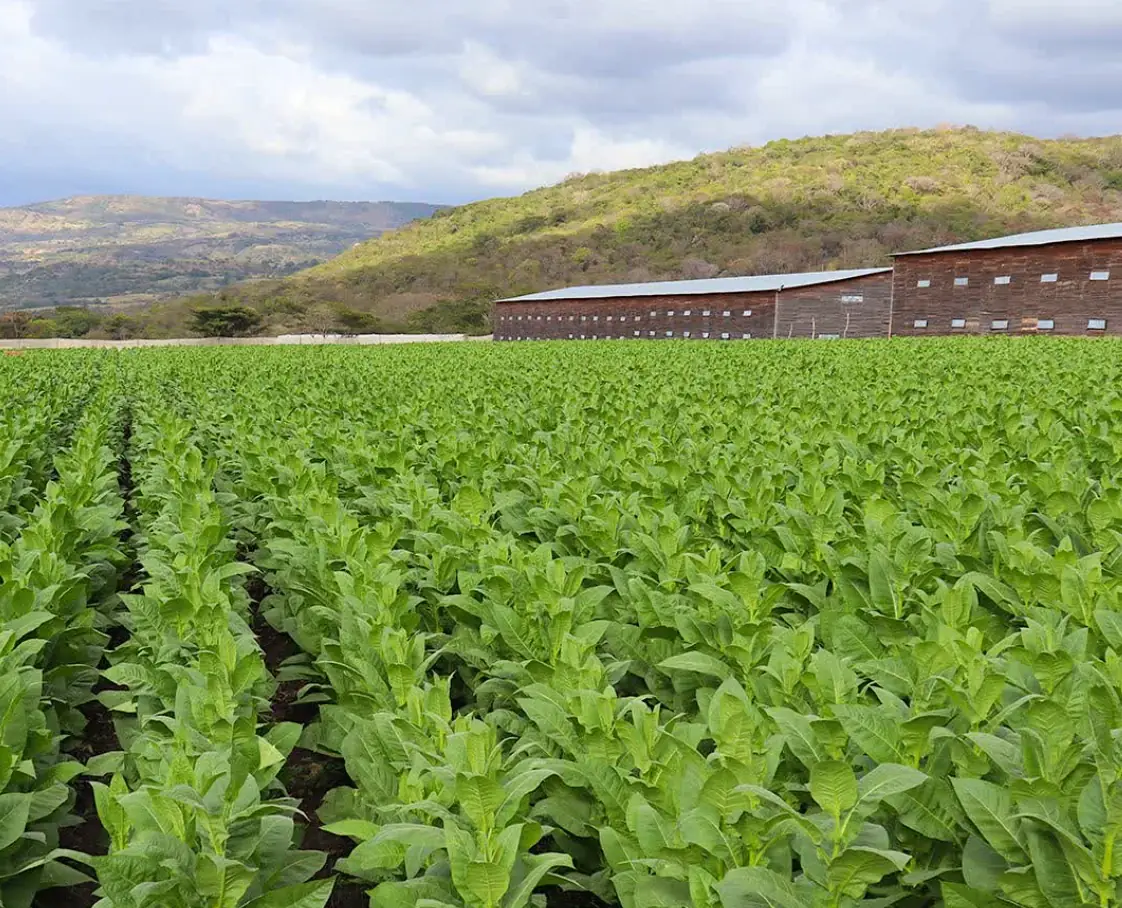
Some brands build a legacy slowly. My Father Cigars built one immediately, then kept building. Three Cigar Aficionado Cigars of the Year. Over 20 million cigars produced annually. A factory and farm operation in Estelí, Nicaragua that rivals anything being done in the premium cigar world today. And at the center of all of it, a father, a son, and a story that started in Cuba over sixty years ago.
If you have been smoking premium cigars for any length of time, you have smoked a Garcia blend. Even if the band did not say My Father, the Garcia family likely touched the tobacco. They are that embedded in the industry.
- The Garcia family has won three Cigar Aficionado Cigars of the Year, one of only two families in history to do so. Their 2024 winner, The Judge Grand Robusto, scored 98 points.
- Every cigar uses triple fermentation and the entubado rolling technique, slow, expensive methods most factories abandoned long ago. The Garcia family never did.
- Start with The Judge. It is approachable enough for newer smokers, complex enough to hold the attention of anyone. Work your way through the portfolio from there.
THE GARCIA FAMILY STORY, MY FATHER CIGARS
THE MAN WHO ARRIVED WITH EVERYTHING
José "Pepin" Garcia was not a hobbyist. He began rolling cigars in Cuba at age eleven and worked his way to a Class 8 torcedor ranking, the highest classification a roller can achieve in the Cuban system. Before he ever left Havana, he had rolled for Partagás, Cohiba, and Montecristo. He knew Cuban tobacco from the inside out.
When Pepin arrived in Miami in 2001, he came with no factory, no distribution, and no American brand recognition. What he had was his hands, his knowledge, and a philosophy about tobacco that had been refined over four decades. In 2003, he opened El Rey de Los Habanos in Little Havana, and the cigar community took notice almost immediately. The early blends were bold, spicy, and precise. Word spread fast. Within a few years, Pepin had become one of the most sought-after blenders in the industry.
A SON'S TRIBUTE THAT CHANGED EVERYTHING
In 2008, Jaime Garcia, Pepin's son, who had been working inside the factory since his teens, quietly developed a new blend. He kept it secret from his father, worked with the rollers in confidence, and named it "My Father" as a tribute to the man who had taught him the craft. When Pepin found out and tried the cigar, he was so impressed he renamed the entire company after it.
A year later, Pepin returned the gesture. He created My Father Le Bijou 1922, French for "The Jewel", honoring his own father, who was born in that year. The cycle of tribute became the brand's identity. This is not a company built around marketing. It is a company built around family, and it shows in every cigar they produce.
By 2009, the Garcias moved production to a purpose-built factory and farm in Estelí, Nicaragua. The move gave them access to volcanic soil and altitude that produced tobacco with a depth and character that rivaled the best Cuban leaf. More importantly, it gave them control over every stage of production, from seed to band.
HOW THEY MAKE IT
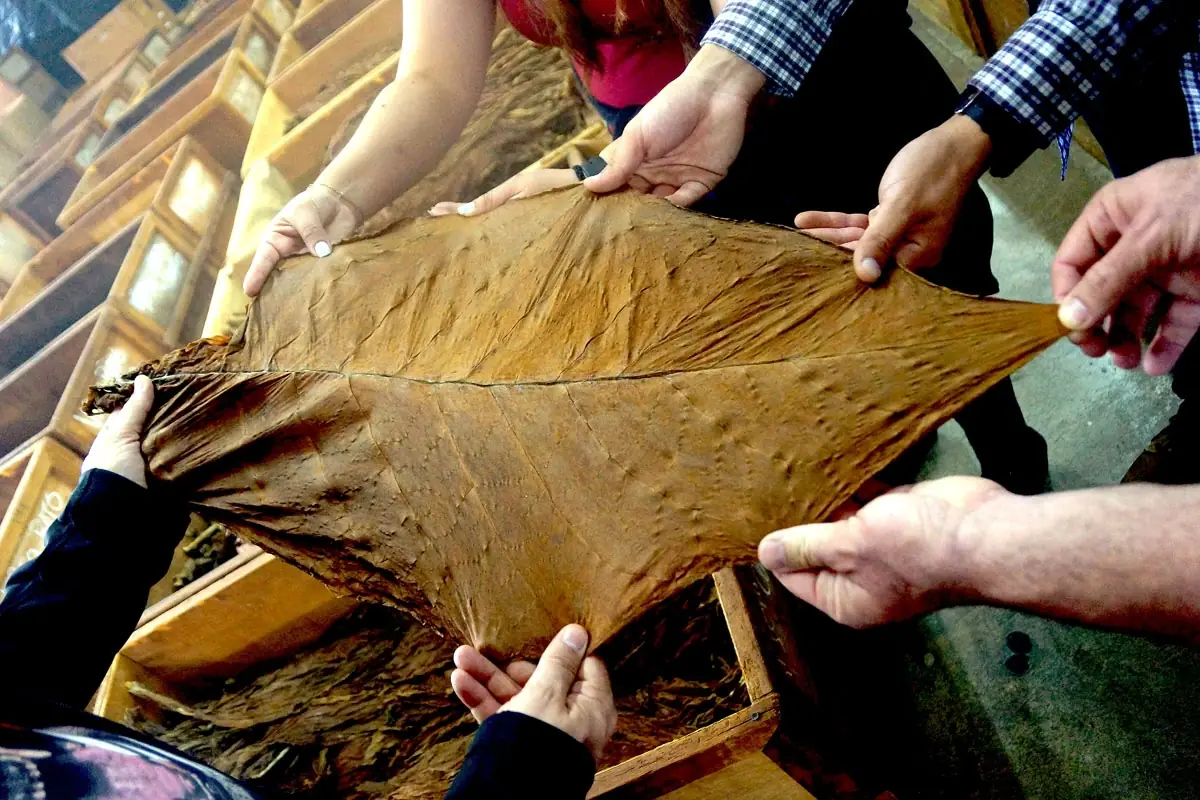
Most premium cigar manufacturers ferment their tobacco once. The Garcias ferment theirs three times. Triple fermentation is slow, expensive, and requires patience that most production schedules cannot accommodate. It produces tobacco with a smoothness and depth that single fermentation simply cannot replicate. Pepin brought this practice directly from Cuba and has never abandoned it.
Every cigar is rolled using the entubado method, a Cuban technique where each individual filler leaf is rolled into its own tube before being bound together. The result is a more even draw, consistent combustion, and a cooler burn throughout the entire smoke. Most factories abandoned this technique because it requires significantly more time per cigar. The Garcias kept it because quality was never negotiable.
Pepin famously sold his tobacco deveining machines when he realized they would replace sixty skilled workers. That single decision tells you more about his philosophy than any marketing material ever could.
THE PORTFOLIO
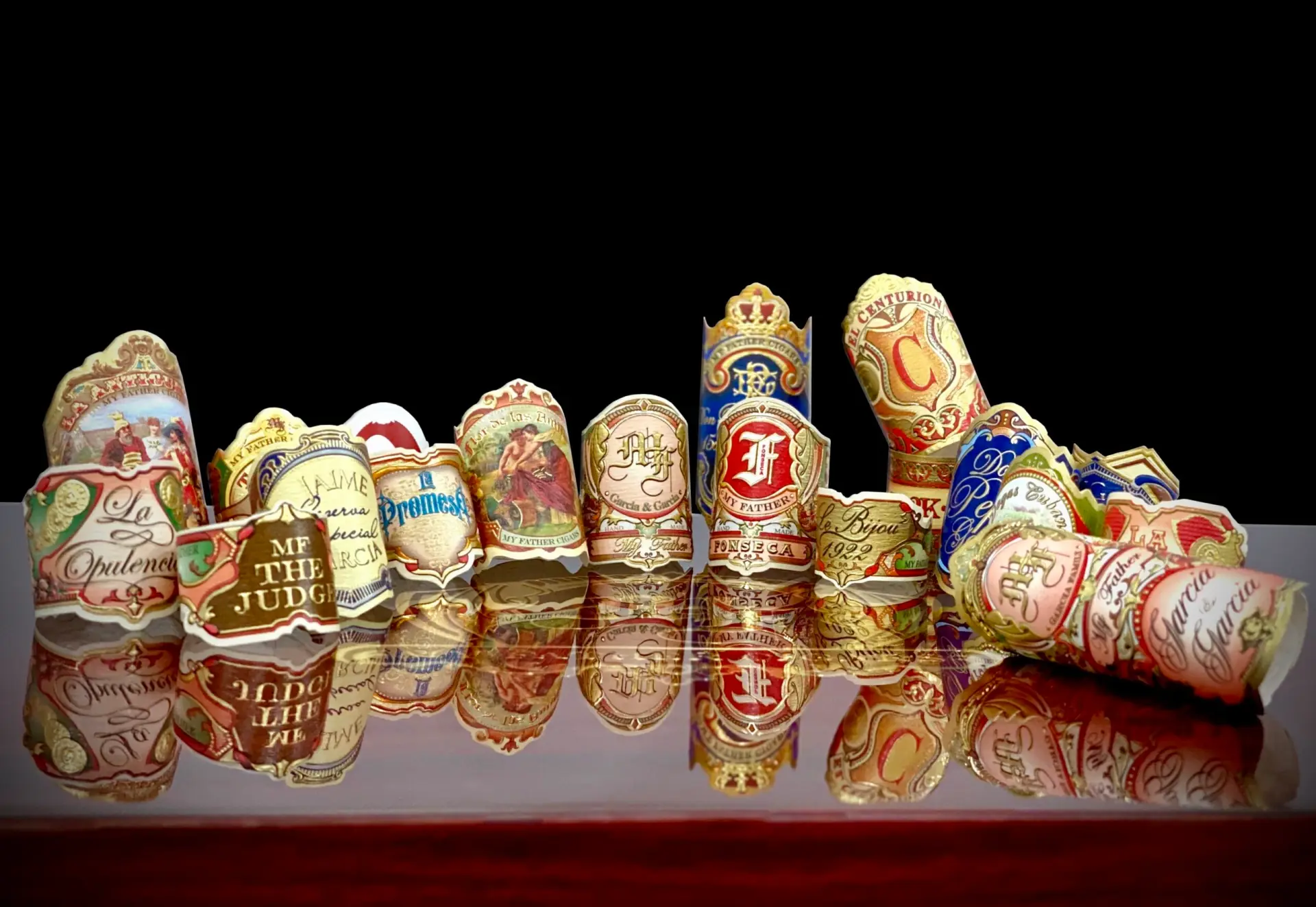
My Father Cigars maintains 12 company-owned brands. What follows is a working guide to the lines most worth knowing, starting with the ones that define the brand and moving through the ones that round it out.
MY FATHER (THE ORIGINAL)
This is where it started. Ecuadorian Habano Rosado wrapper over a Nicaraguan binder and fillers. The profile is medium to full-bodied with cedar, leather, earth, and a spice that builds gradually without spiking. The entubado construction is at its most obvious here, the draw is effortless, the burn clean, the smoke generous. This is the cigar Jaime made for his father, and it remains the clearest expression of the Garcia family philosophy: complexity without chaos. If you have never smoked a My Father cigar, the original is the honest starting point.
MY FATHER LE BIJOU 1922
Dark, oily Nicaraguan Oscuro wrapper. All-Nicaraguan puro. Corojo, Criollo, and Pelo de Oro in the blend. This is a full-bodied cigar that opens with pepper and dark chocolate, transitions through espresso and leather, and closes with a deep earthiness that lingers well past the nub. Cold draw offers dark chocolate and baking spice, the cigar delivers exactly what it promises. This one is for experienced smokers who want the Garcia family at full power.
MY FATHER THE JUDGE
Ecuadorian Sumatra wrapper over Nicaraguan binder and fillers from Jalapa, Estelí, and Namanji. The Judge earned the highest score the brand has ever received from Cigar Aficionado. The Jalapa tobacco adds natural sweetness and creaminess. The Estelí leaf brings pepper and strength. The Namanji rounds it out with earth and richness. Cedar, chocolate, leather, and hazelnut move through the smoke in a progression that never feels rushed. Approachable enough for newer smokers despite its pedigree.
MY FATHER BLUE
The newest major line in the portfolio, debuting at PCA 2025. Blue pays homage to the Honduran flag and marks the first time the Garcia family has incorporated Honduran tobaccos into a flagship blend. Box-pressed, available in four vitolas. Opens with hay, caramel sweetness, pepper, and wood. The middle third brings creaminess, anise, and dark chocolate. The final third deepens into dark roasted coffee, herbs, earth, and cacao. Understated and elegant.
DON PEPÍN GARCÍA ORIGINAL (BLUE LABEL)
This is the blend that built the reputation before the My Father name existed. Nicaraguan Corojo Oscuro wrapper over Nicaraguan binder and fillers. Bold, meaty, and spicy right from the first draw: black pepper, cedar, leather, citrus spice on the retrohale. The second third transitions into chocolate, caramel, and a sweeter earth profile. The final third returns to pepper and cedar with a long, leathery finish. It traces its DNA directly to the El Rey de Los Habanos days.
JAIME GARCIA RESERVA ESPECIAL
Jaime's own line, built from tobaccos grown on the Garcia family farms. Connecticut Broadleaf Maduro wrapper, aged six years, over Nicaraguan binder and fillers. The second third is where this cigar earns its reputation: dark fruit, espresso, black pepper, and a finish that carries dried prune and nutmeg spice. It proves Jaime can blend independently of his father while carrying the same family DNA forward.
MY FATHER GARCIA Y GARCIA
A collaboration between Pepin and Jaime on a single blend, two Garcias, one cigar. Colorado to soft Colorado Maduro wrapper, Nicaraguan binder and fillers. The profile is more restrained than other Garcia lines: musty cedar, light baking spice, Pelo de Oro sweetness, and a nutty, cedary retrohale. Medium-bodied and nuanced. The Garcia blend for the smoker who wants complexity without aggression. It demonstrates range, and it rewards attention.
FLOR DE LAS ANTILLAS · EL CENTURIÓN · DON PEPÍN SERIES JJ · VEGAS CUBANAS
Flor de Las Antillas earned the 2012 Cigar of the Year, Connecticut Broadleaf Maduro wrapper, medium-full, accessible and deeply flavored. Don Pepín Garcia Series JJ delivers Pepin spice in compact vitolas. El Centurión is a full-bodied Honduran-heavy blend that plays differently from anything else in the portfolio. Vegas Cubanas brings Garcia construction at a lower entry price point. Every one carries the entubado rolling and triple fermentation that defines everything the factory produces.
THE BLIND LABEL CIGAR TAKE
Fifteen years of watching brands come and go teaches you one thing: the ones that last are built by people who care about what is inside the box more than what is on the band. The Garcia family has never chased trends. They brought Cuban tradition to Nicaraguan soil, improved on it with better farming and more rigorous fermentation, and then let the cigars speak.
Three Cigars of the Year is the headline. The real story is the consistency beneath it, 20 million cigars a year at a quality level that most boutique operations cannot match on 20,000. If there is one family whose full portfolio deserves your time, your humidor space, and your respect, it is this one. Start with The Judge. Work your way through. You will understand quickly why the Garcia name means what it means.
GLOSSARY
| TERM | DEFINITION |
|---|---|
| Entubado | A Cuban rolling technique in which each individual filler leaf is first rolled into its own tube before all tubes are bundled together. The result is exceptionally even airflow, consistent combustion, and a cooler burn. Slower and more labor-intensive than the standard book method, the Garcia family has used it on every cigar since Pepin's days in Havana. |
| Triple Fermentation | A tobacco preparation process in which leaf is fermented three times rather than the industry standard of once. Each pass breaks down more impurities, increases complexity, and produces a smoother, deeper flavor. Expensive and time-consuming, which is exactly why most factories skip it. |
| Torcedor | A highly trained cigar roller. Pepin Garcia holds a Class 8 torcedor ranking, the highest achievable in the Cuban system. In Cuba, torcedores work for the state. At the Garcia factory, they work for a family whose reputation lives inside every cigar they roll. |
| Corojo | A classic Cuban tobacco variety known for bold, spicy, and complex character. Originally from Cuba's Vuelta Abajo, Corojo is now grown extensively on the Garcia family's Nicaraguan farms, where volcanic soil produces a bolder, more peppery expression than its Cuban counterpart. |
| Oscuro | A very dark, oily wrapper leaf that has been left on the plant longer than standard leaves before harvest. Higher sugar content, richer flavor, and a natural sweetness that develops during extended fermentation. The Le Bijou 1922's Nicaraguan Oscuro wrapper is one of the defining characteristics of the blend. |
| Estelí | Nicaragua's tobacco capital and home to the Garcia family's flagship factory. The region sits in Nicaragua's northern highlands on hard, black, mineral-rich volcanic earth that produces leaves with exceptional depth and body. The Garcia family's decision to build in Estelí was not accidental. |
FREQUENTLY ASKED QUESTIONS
Everything you want to know about My Father Cigars and the Garcia family.