When I sit down with a cigar, the last thing on my mind is federal rulemaking. I’m thinking about the draw, the blend, the company I’m keeping. That’s how most of us live in this hobby. But every once in a while, something happens behind the scenes that shapes what ends up in your humidor — and this ruling is exactly that kind of moment.
TL;DR
- A federal judge in Washington, D.C., reaffirmed in April 2026 that the FDA’s Deeming Rule does not apply to premium cigars meeting the court’s definition — traditional handmade cigars with whole leaf wrappers, leaf binders, and long-filler tobacco.
- This protects boutique and small-batch premium cigar makers from some of the most expensive compliance requirements, helping preserve variety and keeping boutique brands in the market.
- The fight isn’t over — the regulatory story has a long history of coming back — but for now, this is a meaningful win for premium cigar culture.
WHAT THE COURT ACTUALLY SAID
In April 2026, a federal judge reaffirmed that the FDA’s Deeming Rule — the regulation that brought cigars, pipe tobacco, and other tobacco products under FDA authority — does not apply to premium cigars that meet the court’s specific definition. This built on earlier court precedent and locked in a meaningful carve-out for the traditional, handmade premium segment.
The definition matters. To qualify, a cigar has to check specific boxes: handmade construction, whole tobacco leaf wrapper, leaf binder, long-filler tobacco throughout, and no filters, tips, or characterizing flavors other than tobacco itself. That is the classic premium cigar profile. The ruling is saying: this product is different, it has always been different, and it should not be regulated the same way as mass-market tobacco.
COURT DEFINITION, QUALIFYING PREMIUM CIGAR
ConstructionHandmade
WrapperWhole tobacco leaf
BinderLeaf binder
FillerLong-filler tobacco throughout
Filters / TipsNone
Characterizing FlavorsNone other than tobacco
WHY THIS ACTUALLY MATTERS TO YOU
Here is the thing about regulation: it does not stay in the courtroom. It eventually shows up at the tobacconist. You feel it in the price of the cigar. You feel it in the size of the selection. And you feel it when a brand you wanted to try quietly disappears before it ever had a real chance to find its audience.
The brands that get hit hardest when compliance costs rise are not the big names with the infrastructure to absorb it. It is the boutique maker rolling small batches out of a factory in Estelí or Danlí, betting everything on a single blend. When the regulatory burden becomes too heavy, those are the companies that get squeezed first. And when they go, the cigar world gets a little less interesting.
Anything that helps keep premium cigars accessible, diverse, and worth exploring is worth paying attention to.
THE INDUSTRY IMPACT AT A GLANCE
WHO THIS AFFECTS AND HOW
RetailersLess compliance pressure helps shops keep broader premium selections
Boutique ManufacturersSmaller makers avoid the most expensive Deeming Rule requirements
SmokersMore variety and less cost pressure preserves access to handmade premium cigars
Mass-Market ProductsNot covered, exemption applies to court-defined premium cigars only
WHAT THIS DOESN’T MEAN
This ruling is not a get-out-of-jail-free card for the entire tobacco industry. Other federal regulations still apply. State laws still apply. Local rules still apply. The Deeming Rule itself is still very much on the books for products outside this definition. And anyone who has followed cigar regulation long enough knows that these battles have a way of coming back around in different forms.
The Premium Cigar Association has been active throughout this entire regulatory fight, and their work matters. If you care about preserving access to handmade premium cigars, staying informed and supporting those advocacy efforts is worth your time.
THE BOTTOM LINE
Premium cigar culture is built on craft, tradition, and the kind of variety that only exists when small makers have room to compete. This ruling protects some of that space. It is not the end of the regulatory story — it never is — but it is worth acknowledging as a real win. Light one up in honor of it. The lawyers earned it.
FREQUENTLY ASKED QUESTIONS
Common questions about the April 2026 ruling and what it means for the premium cigar market.
What happened in April 2026 with the FDA and premium cigars?+
A federal judge in Washington, D.C., reaffirmed that the FDA’s Deeming Rule does not apply to premium cigars that meet the court’s definition — traditional handmade cigars with whole tobacco leaf wrappers, leaf binders, long-filler tobacco, and no filters, tips, or characterizing flavors.
Does this ruling apply to every cigar?+
No. It applies specifically to premium cigars as narrowly defined by the court. Mass-market cigars, filtered cigars, and products with characterizing flavors are not covered by this exemption.
Why should cigar smokers care about this ruling?+
Because regulation does not stay in the courtroom. It shows up in price tags, shelf space, and product availability. When compliance costs rise, boutique brands and smaller producers are the first to feel it — and smokers lose access to variety.
Why does this ruling matter for boutique cigar brands?+
Boutique brands have fewer resources to absorb compliance costs. When regulations become too expensive or complicated, smaller companies are often first to get squeezed out of the market, reducing the variety available to smokers.
Does this mean premium cigars are free from all FDA regulation?+
No. This ruling means the Deeming Rule specifically does not apply to court-defined premium cigars. Other federal regulations, state laws, taxes, and local rules still apply to all tobacco products.
Is this the final word on FDA regulation of premium cigars?+
Probably not. Cigar regulation has a long history of coming back in different forms. This is a significant win, but the smarter view is to treat it as an important chapter in an ongoing story rather than a permanent resolution.
What is the biggest takeaway for cigar enthusiasts?+
This ruling helps protect the kind of premium cigar market most enthusiasts care about — one with variety, smaller makers, and room to discover something new. It preserves conditions for boutique brands to survive and for smokers to keep finding great cigars.
CCT · CST · CCST
40 Year Cigar Enthusiast
Podcast Host & Entrepreneur
ABOUT THE AUTHOR
THE CIGAR FOSSIL
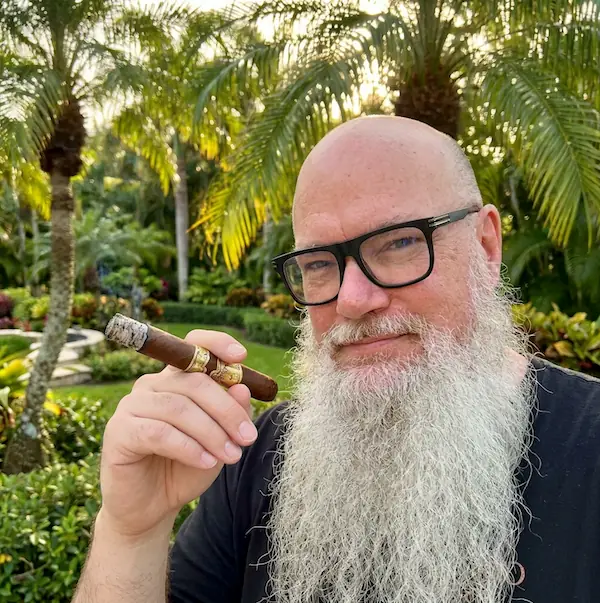
Norm Farrar is a four-decade cigar enthusiast, credentialed tobacconist (CCT, CST, CCST), and the founder of Blind Label Cigar. Known in the community as “The Cigar Fossil,” he’s logged enough smoke time to have serious opinions but still approaches every new cigar like the first one. Norm is an ecommerce entrepreneur, advising seven- and eight-figure Amazon sellers on brand building and growth. He’s also the host of Lunch With Norm, a top-100 Apple podcast, and The Marketing Misfits. When he’s not talking business, he’s talking cigars. Usually at the same time.